
5 Ways How Do Japanese Car Auctions Work
How do Japanese car auctions work? This question comes up often for car lovers worldwide. Japanese car auctions are special sales where people buy cars from Japan. These auctions are famous for selling high-quality vehicles at good prices. Many buyers from around the world join these auctions to find their dream cars.
Role of Japanese Car Auctions in Global Car Trade
Why are Japanese Car Auctions Popular?
Japanese car auctions have become super popular worldwide. People love them because Japanese cars are known for being reliable and well-maintained. Japan has strict car inspection rules. This means cars stay in great condition longer.
Many international buyers choose these auctions over local dealers. The prices are often lower than buying from regular car lots. Plus, you can find rare models that are hard to get in other countries.
Market Trends and Demand
These auctions serve buyers from many different places. Countries in Africa, Asia, and even Europe import thousands of cars from Japan every year. The US market also loves Japanese sports cars and luxury vehicles.
The demand keeps growing because Japanese cars hold their value well. Even older models stay popular because they are built to last.
5 Ways How Do Japanese Car Auctions Work
1. Vehicle Submission and Inspection
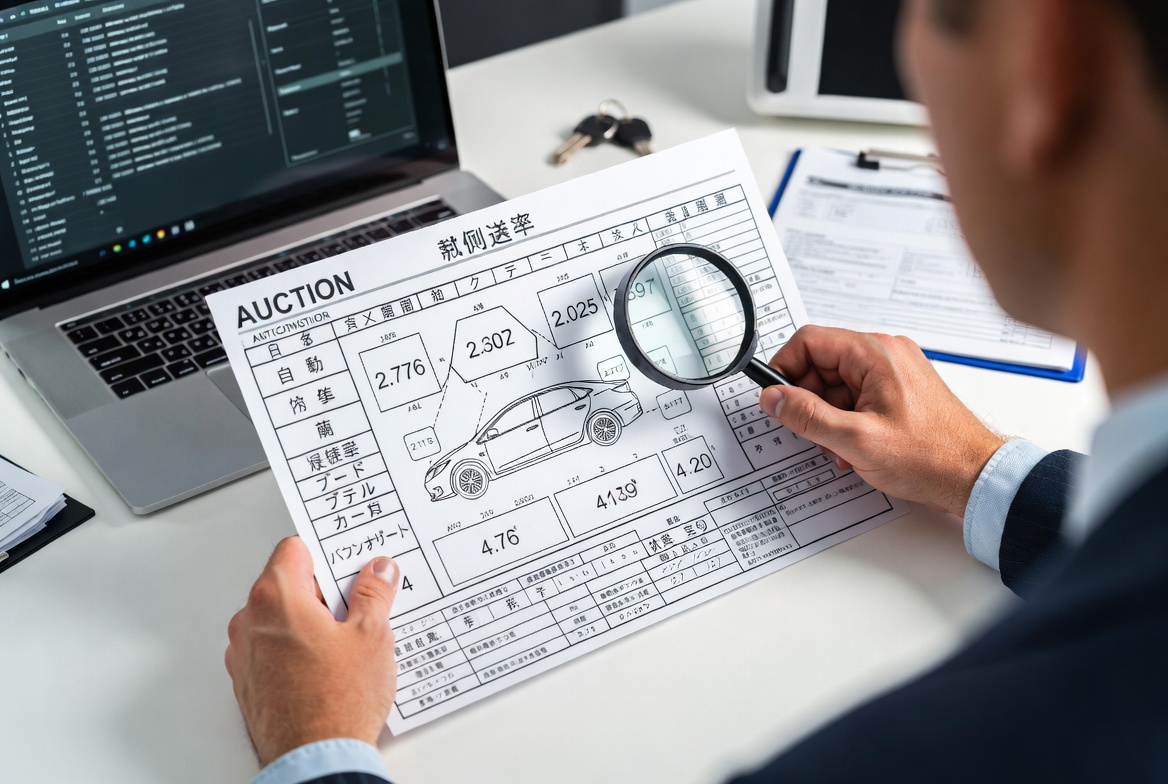
Car owners in Japan bring their vehicles to auction houses. Professional inspectors check every part of the car. They look at the engine, body, interior, and more. Each car gets a grade from 1 to 5 based on its condition.
2. Auction Listings
After inspection, cars appear in auction catalogs. These listings show photos, inspection reports, and important details. Buyers can see the car grade, mileage, and any damage before bidding.
3. Bidding Process
On auction day, bidders compete for cars they want. This happens both in person and online. Each bid must be higher than the last one. The process moves fast, so bidders must stay alert.
4. Winning the Auction
The highest bidder wins the car. They must pay right away, usually within a few days. Winners cannot change their mind after the auction ends.
5. Shipping and Delivery
After payment, the car gets prepared for shipping. Most international buyers use shipping companies to transport their cars home. This process can take several weeks depending on the destination.
How Japanese Car Auctions Operate
Auction Process
The auction process starts when car owners decide to sell. They bring cars to auction houses for inspection. Expert inspectors examine every detail and assign grades.
Next, cars appear in weekly auction catalogs. These catalogs show thousands of vehicles available for bidding. Buyers study these catalogs carefully before auction day.
On auction day, auctioneers present each car to bidders. The bidding starts at a reserve price. Bidders raise their hands or use electronic devices to place bids. The highest bidder wins when no one else bids higher.
Auction Houses and Platforms
Several major auction houses operate in Japan. USS (United Sports Stadium) is the biggest one. They hold auctions almost every day across Japan. TAA (Toyota Auto Auction) focuses on Toyota vehicles. JU auctions handle various car brands.
These auction houses now offer online bidding too. International buyers can bid from their home countries. This makes the process much easier for overseas customers.
5 Ways to Get Involved with Japanese Car Auctions
Want to join these auctions? Here are your options:
- Register with an auction house - Sign up directly if you live in Japan
- Use an online auction platform - Bid from anywhere in the world
- Hire a local agent - Let professionals handle everything for you
- Attend auctions physically in Japan - Travel to Japan for the experience
- Use specialized dealerships - Work with dealers who import Japanese cars
Types of Vehicles Available at Japanese Car Auctions
Cars, Trucks, and Motorcycles
Japanese auctions offer amazing variety. You can find compact cars, luxury sedans, sports cars, and even trucks. Motorcycles also appear regularly at these auctions.
Popular brands include Toyota, Honda, Nissan, Mazda, and Subaru. Luxury brands like Lexus, Infiniti, and Acura are common too. Many buyers search for specific models that are rare in their countries.
Vehicle Grades and Conditions
Understanding car grades is crucial for buyers. The grading system works like this:
- Grade 5: Perfect condition, like new
- Grade 4: Excellent condition, minor wear only
- Grade 3: Good condition, some visible wear
- Grade 2: Fair condition, needs some work
- Grade 1: Poor condition, major repairs needed
Inspection reports show every detail about the car. Smart buyers always check these reports before bidding. You can learn more about reading these reports through Japanese car auction sheet guides.
How Bidding Works at Japanese Car Auctions
Registration and Membership
International buyers need special registration to participate. Most auction houses require membership fees. Some also need security deposits before you can bid.
Working with a buying agent makes this easier. They handle all the paperwork and registration for you. This saves time and prevents mistakes.
Bidding Process
Bidding happens very quickly at these auctions. Auctioneers present cars one by one. Bidders have only minutes to decide and bid.
Online bidding works differently. You can set maximum bids in advance. The system automatically bids for you up to your limit. This helps when you cannot attend live auctions.
Setting a Maximum Bid Limit
Smart bidders always set spending limits before auctions start. Research the market value of cars you want. Add shipping costs and import fees to your budget.
Never bid more than you planned to spend. Auction excitement can make people overspend quickly. Stick to your budget to avoid financial problems later.
5 Tips for Successful Bidding
Follow these tips to improve your auction success:
- Understand market values - Research prices before bidding
- Stick to your budget - Never spend more than planned
- Set maximum bids early - Decide limits before excitement builds
- Avoid impulsive bidding - Think carefully about each bid
- Learn bidding strategies - Understand how increments work
Understanding the Fees Involved in Japanese Car Auctions
Auction Fees
Buying at Japanese auctions involves several fees. Auction houses charge buyer fees, usually around 10% of the winning bid. Transport fees cover moving cars from auction sites to shipping ports.
Administrative fees include paperwork and processing charges. Some agents also charge service fees for their help. Always ask for a complete fee breakdown before bidding.
Customs and Import Duties
Importing cars involves government fees too. Each country has different import duties and taxes. Some countries charge 25% or more in total fees.
Research your country rules before buying. Contact customs offices for exact fee information. This prevents surprise costs later.
How to Participate in Japanese Car Auctions as an International Buyer
Using a Proxy or Buying Agent
Most international buyers use buying agents or proxy services. These professionals handle everything from bidding to shipping. They know auction rules and can spot good deals.
Good agents provide detailed vehicle reports and photos. They also handle all paperwork and shipping arrangements. This service costs extra but saves lots of time and stress.
Shipping and Logistics
Shipping cars internationally takes time and planning. Most cars travel by cargo ship, which takes 2-6 weeks depending on destination. Some buyers pay extra for faster shipping methods.
Cars need special preparation for ocean transport. This includes draining fluids and securing loose parts. Professional shipping companies handle these details.
5 Steps to Participate as an International Buyer
Here is your step-by-step guide:
- Choose and register with an auction house - Pick reputable auction sites
- Hire a professional agent if needed - Get expert help for smooth process
- Research vehicle conditions thoroughly - Check auction bid history and grades
- Set budget and bidding strategy - Plan spending limits carefully
- Handle shipping and customs - Arrange transport and import paperwork
Tips for Success at Japanese Car Auctions
Research and Vehicle Inspection Reports
Never bid without reading inspection reports carefully. These reports show every problem with the car. Learn to understand Japanese auction sheets or use translation services.
Check Japan VIN verification to confirm car details. This prevents buying stolen or damaged vehicles. Some buyers also research auction sheet verification to ensure accuracy.
Budgeting and Setting Expectations
Create realistic budgets that include all costs. Add auction fees, shipping charges, and import duties to car prices. Many first-time buyers forget these extra expenses.
Set clear goals for what types of cars you want. Focus on specific models instead of bidding on everything interesting. This helps you make smarter decisions.
Common Pitfalls to Avoid
New buyers often make expensive mistakes. Learning from others helps you avoid these problems.
5 Common Mistakes to Avoid
Watch out for these costly errors:
- Not checking inspection grades carefully - Always read full reports
- Overbidding due to excitement - Stay calm and stick to budgets
- Forgetting shipping and customs fees - Include all costs in planning
- Ignoring auction terms - Read all rules and conditions
- Failing to research demand - Know if cars sell well in your area
Benefits and Risks of Buying from Japanese Car Auctions
Advantages
Japanese car auctions offer many benefits for smart buyers. The biggest advantage is access to high-quality vehicles at competitive prices. Japanese cars often have lower mileage and better maintenance than similar cars elsewhere.
You also get huge selection variety. Thousands of cars sell weekly across Japan. This includes rare models and special editions hard to find in other countries.
Many buyers save money compared to local dealership prices. Even after shipping and import costs, total prices often stay lower than buying locally.
Risks
However, buying from auctions involves real risks too. You cannot test drive cars before buying them. Photos and reports might miss some problems.
Shipping delays can happen due to weather or port issues. Some cars might have hidden damage not shown in auction reports. International buyers also face complex import procedures and potential customs problems.
Language barriers can cause misunderstandings about car conditions or auction rules. Working with experienced agents helps reduce these risks significantly.
Conclusion: Should You Buy from a Japanese Car Auction?
Is It Worth It?
How do Japanese car auctions work for international buyers? They can offer great value for prepared buyers who do their homework. Success requires careful research, realistic budgeting, and often professional help.
First-time buyers should start small and learn the process gradually. Use reputable agents and choose the best auction sites for your needs. With proper preparation, Japanese car auctions can help you find amazing vehicles at great prices.
Remember that buying cars internationally requires patience and planning. But for many car enthusiasts worldwide, these auctions provide access to vehicles they could never find locally. Take time to understand the process, and you might discover your perfect car waiting in Japan.
For those interested in learning more about the complete buying process, check out this comprehensive guide on how to buy cars from Japan auctions.
Tags
Also Read

Japanese Car Auction Houses (USS, TAA, JU & More) - Guide for Bangladesh 2026
Top 10 Japanese car auction houses compared: USS, JU, TAA, AUCNET and more. See how Bangladesh buyers bid, check auction ...
| 19/10/26

Why are Japanese Used Cars Popular In Bangladesh
Why are Japanese Used Cars Popular In Bangladesh ...
| 06/06/26
Auction Sheet Verification in Bangladesh: Complete 2026 Guide
Learn everything about auction sheet verification in Bangladesh, including steps, tips, and trusted services for accurate car assessment. ...
| 31/01/26

where i can verify japanese car auction sheet in bd
where i can verify japanese car auction sheet in bd ...
| 26/10/25

Japanese car auction sheet verification Bangladesh: 4 Steps
Learn how to verify Japanese car auction sheet verification Bangladesh to avoid scams and ensure you get a reliable vehicle. ...
| 08/09/25